
CBD & wellness.
Cannabis, no smoke.
Precise doses, no inhaling, often little or no high. From CBD oils and capsules to creams and patches, here's how THC and CBD differ, what the ratios mean, and where to find smoke-free formats cheapest near you.
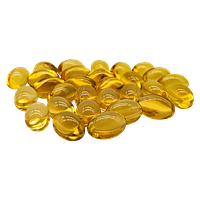
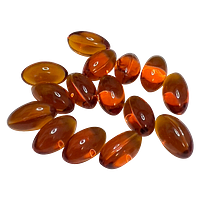
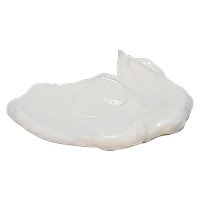
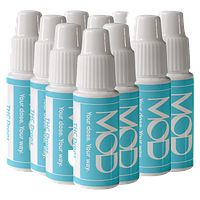
Smoke-free formats
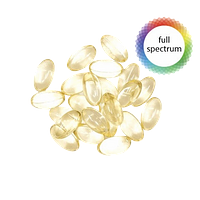
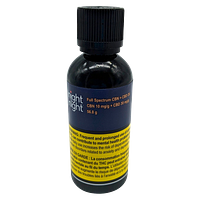
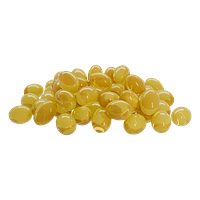
Wellness cannabis is about control: a measured dose, a known ratio, and no smoke. Some formats are swallowed, some held under the tongue, some rubbed on the skin. Here's the lineup, from everyday oils to targeted topicals.
Two very different molecules.
Cannabis isn't one effect. THC is the intoxicating compound — the 'high'. CBD is non-intoxicating and used for calm and recovery without impairment. Most wellness products lean on CBD, or balance the two. The ratio on the label is the single most important number to read.
| Intoxicating? | No | Yes |
| Used for | Calm, recovery | Euphoria, relief |
| Daytime use | Easy | Care needed |
| Feel it? | Subtle | Clear |
| Impairs driving? | No | Yes — never drive |
Reading the ratio.
Wellness labels list a THC:CBD ratio and milligrams. Knowing the main cannabinoids helps you match a product to what you're after.
Match it to the moment.
There's no universal dose, but ratios are a useful starting point. These are common pairings — adjust to your own tolerance and check with a clinician for medical use.
Wellness, ranked by availability
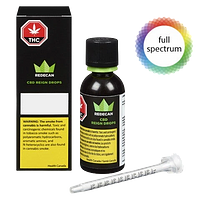
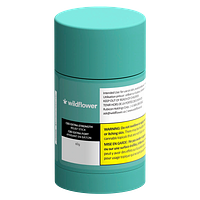
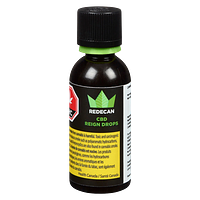
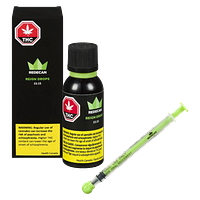
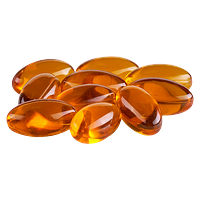
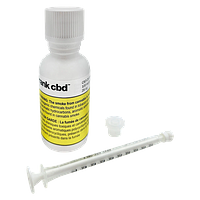
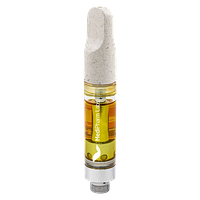
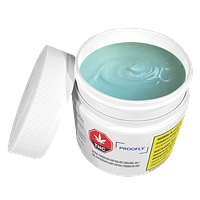
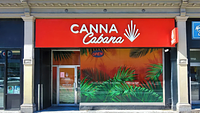
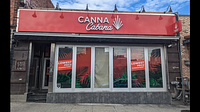
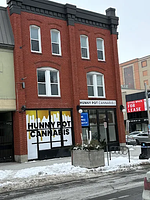
Wellness near you
CBD & wellness, demystified.
The questions we get most from people new to non-smoked cannabis.
THC is the intoxicating compound — it produces the 'high'. CBD is non-intoxicating; people use it for calm and recovery without impairment. Many wellness products are CBD-only or balance the two, so check the THC:CBD ratio on the label.
No. CBD on its own is non-intoxicating. Some wellness products also contain THC — that's what the ratio tells you. A high-CBD, low-THC product won't impair you the way smoking flower does, though larger THC doses still can.
It's the proportion of THC to CBD (or CBD to THC). 1:1 is balanced — a gentle effect with mild intoxication. A high-CBD ratio like 20:1 is mostly CBD with very little high. The bigger the CBD side, the less intoxicating it is.
Swallowed oils and capsules behave like edibles — 30 to 90 minutes to take effect, lasting several hours. Holding oil under the tongue is faster. Topicals act locally on the skin and usually don't reach the bloodstream at all.
Creams and lotions work locally and won't get you high — they're used for localized comfort. Transdermal patches are different: they're designed to carry cannabinoids into the bloodstream over hours, so a THC patch can be felt body-wide.
Many people use these formats for wellness, and Canada has a separate medical-cannabis system with clinician guidance. We index recreational retail products — if you're treating a condition, talk to a healthcare provider about dosing and ratios.
Yes, from a provincially-licensed retailer. Note that in Canada all cannabis — including CBD — is sold through the legal cannabis system, not freely in pharmacies. You must be of legal age — 19+ in most provinces, 18+ in Alberta, 21+ in Quebec.